





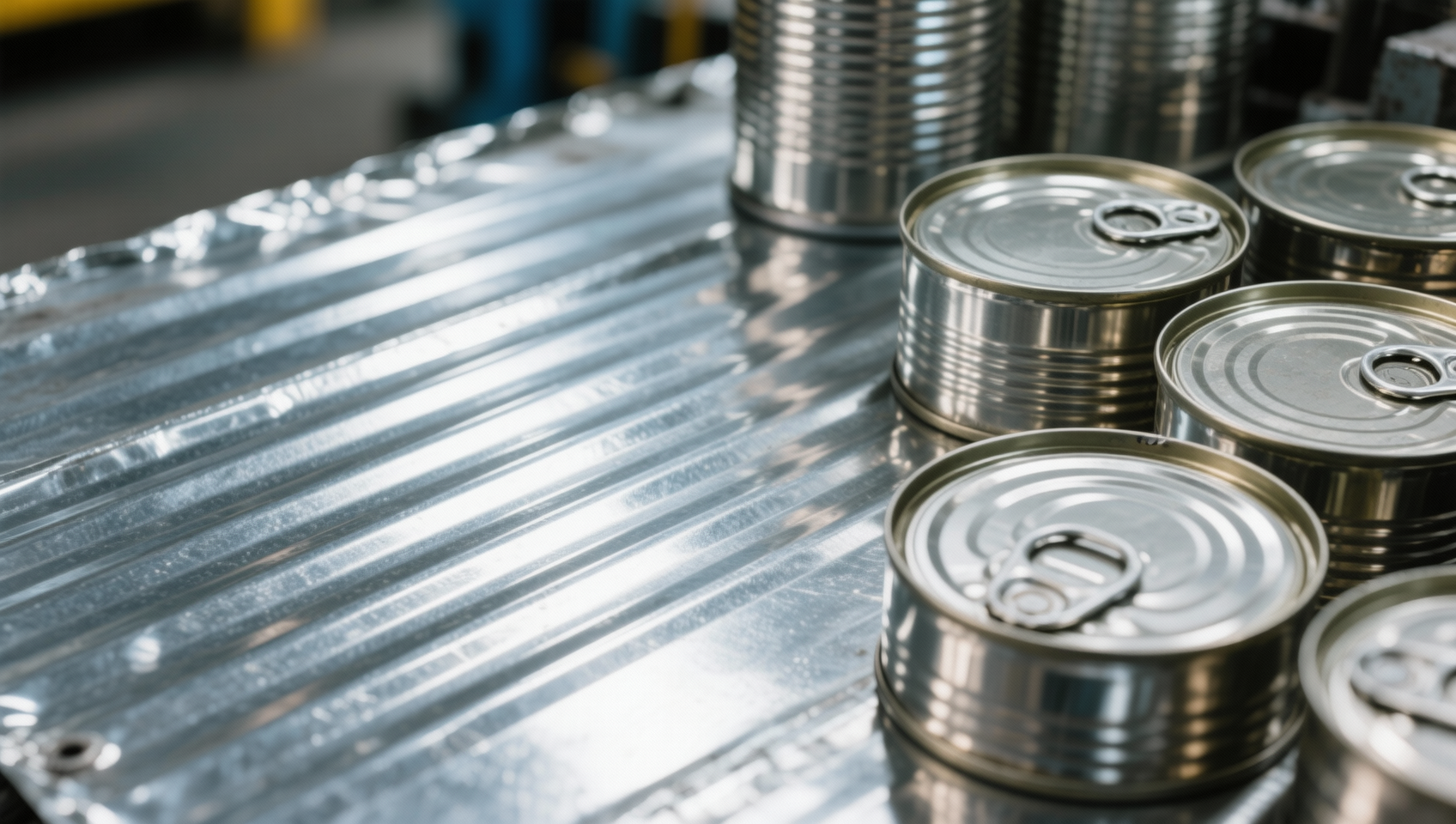
The United Kingdom has imposed final anti-dumping duties on tin mill products originating from China, adding new trade pressure on exporters serving the metal packaging and processed steel markets. According to an official government notice, the measure took effect on March 13, 2026, with final duty rates ranging from 27.85% to 49.98%. The duties will remain in force for five years.
Tin mill products, including tinplate and related coated steel materials, are widely used in packaging and industrial applications. The new UK decision is expected to have a direct impact on Chinese exporters supplying metal packaging materials, food can stock, industrial thin steel products, and downstream steel-processing sectors.
The move is significant because tin mill products play an important role in a broad range of manufacturing supply chains. Beyond traditional steel trade, these materials are essential for can-making, food and beverage packaging, industrial containers, and certain specialized end-use applications. As a result, the policy is likely to affect not only primary exporters of flat steel products, but also companies whose business depends on stable access to packaging-grade metal materials.
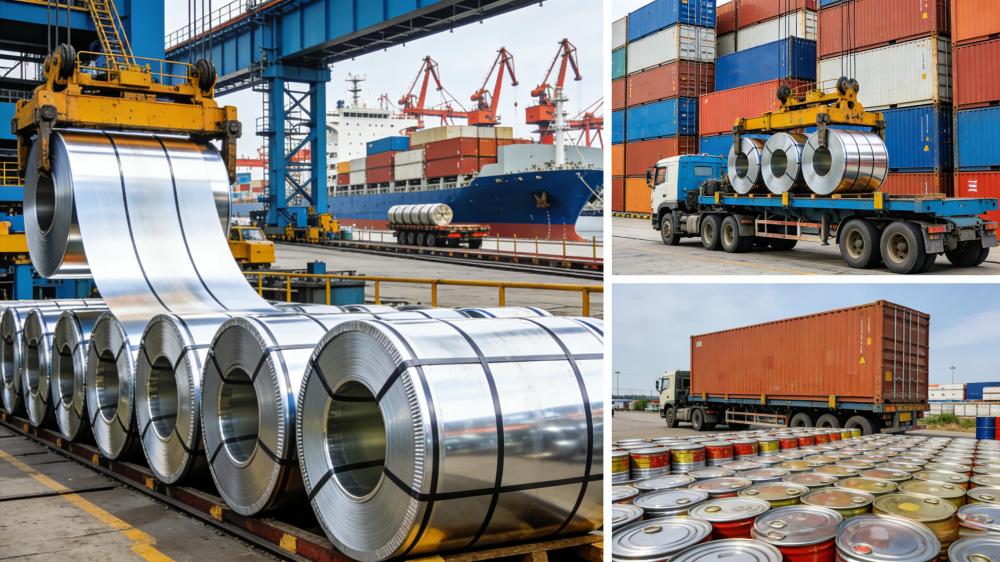
For exporters, the immediate concern is pricing competitiveness in the UK market. With final anti-dumping duties reaching nearly 50% in some cases, the landed cost of Chinese-origin products could rise sharply, potentially reducing their attractiveness to British importers. Buyers may begin shifting toward alternative suppliers, adjusting procurement channels, or seeking substitute materials where feasible.
The five-year duration of the measure also makes it more than a short-term disruption. It signals a longer period of market adjustment for both exporters and importers. Chinese manufacturers may need to reconsider their UK market strategy, evaluate the feasibility of product upgrading, or focus on regions where trade barriers are lower. At the same time, downstream buyers in the UK may face higher sourcing costs and tighter supply conditions, depending on the availability and pricing of non-Chinese alternatives.
For companies in the metal packaging and steel-processing chain, the policy is a reminder that trade defense measures can quickly reshape market access. Businesses involved in exports to the UK should review product scope, confirm applicable tariff treatment, and assess how the duties may affect ongoing contracts, quotations, and customer relationships.
More broadly, the decision underscores the continuing use of anti-dumping policy as a tool to manage import competition in sensitive industrial sectors. For Chinese exporters of tinplate, tin mill products, and related materials, the key challenge now is not only cost absorption, but also long-term market repositioning in response to a more restrictive trade environment.
Related News
- 00
0000-00
U.S. Opens Section 301 Investigation Into Forced Labor Import Controls Across 60 Economies - 00
0000-00
U.S. Launches Section 301 Probe Into Structural Overcapacity Across 16 Economies - 00
0000-00
UK Imposes Final Anti-Dumping Duties on Chinese Tin Mill Products - 00
0000-00
U.S. Issues Antidumping and Countervailing Duty Enforcement Notice on Chinese Corrugated Boxes - 00
0000-00
How economic indicators in Q1 2026 are reshaping machinery parts procurement strategies for manufacturers
Market Research Desk
Weekly Insights
Stay ahead with our curated technology reports delivered every Monday.