





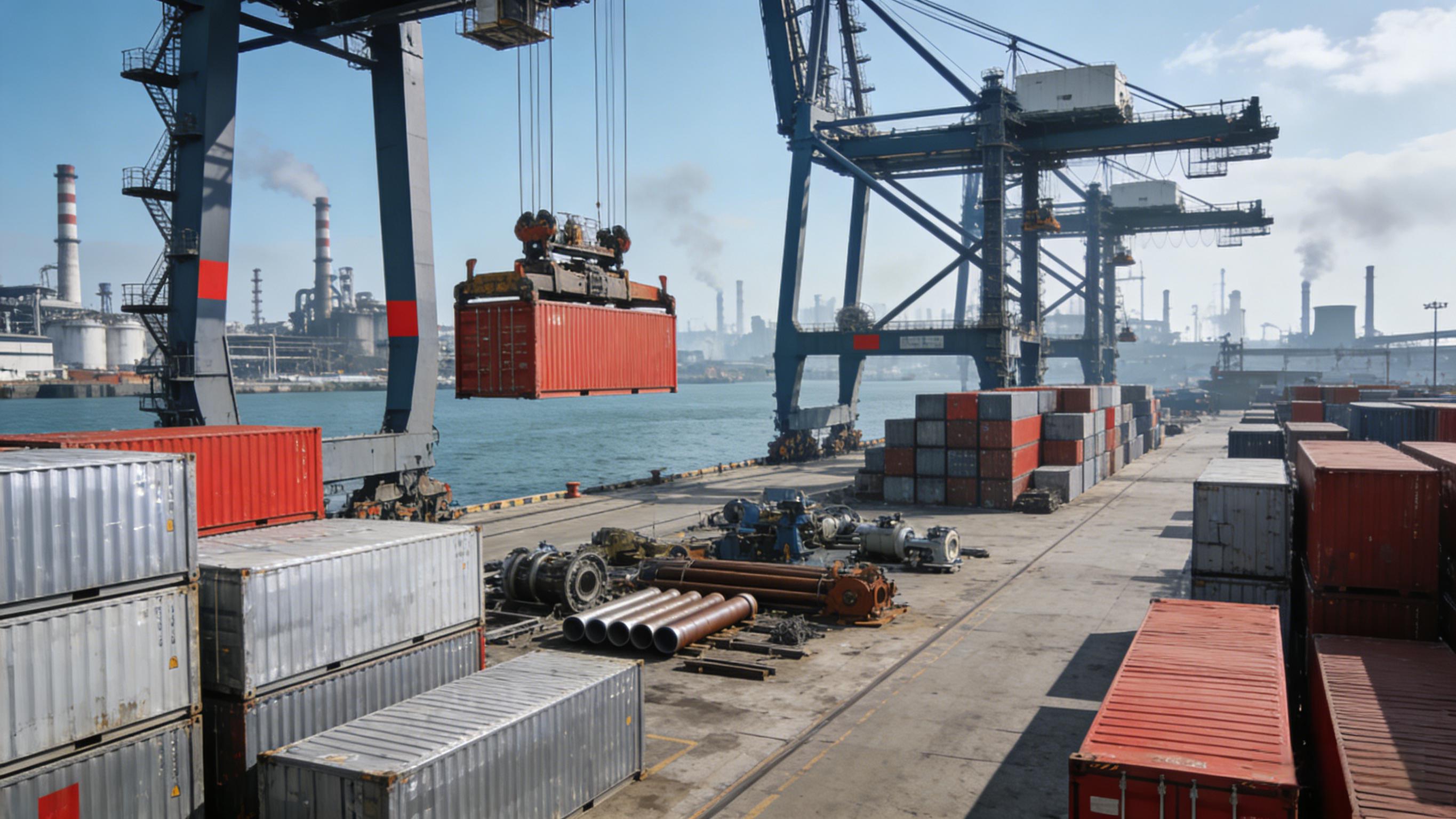
The United States is expanding its trade enforcement focus from industrial competition to supply chain compliance. On March 12, the Office of the United States Trade Representative announced a new Section 301 investigation involving 60 major economies, examining whether these trading partners have taken effective steps to prevent imports of goods produced with forced labor.
The announcement is highly relevant for global exporters because it extends beyond a single product category or region. Instead, it targets a broad compliance issue that increasingly shapes access to the U.S. market: whether supply chains can demonstrate credible controls against forced labor exposure.
The sectors most likely to feel the immediate impact include textiles and apparel, solar products, agricultural goods, mineral-based supply chains, and a wide range of manufacturing sectors that rely on multi-country sourcing. These industries have already been under growing pressure from importers, regulators, and end customers to provide stronger evidence of responsible sourcing and labor compliance.
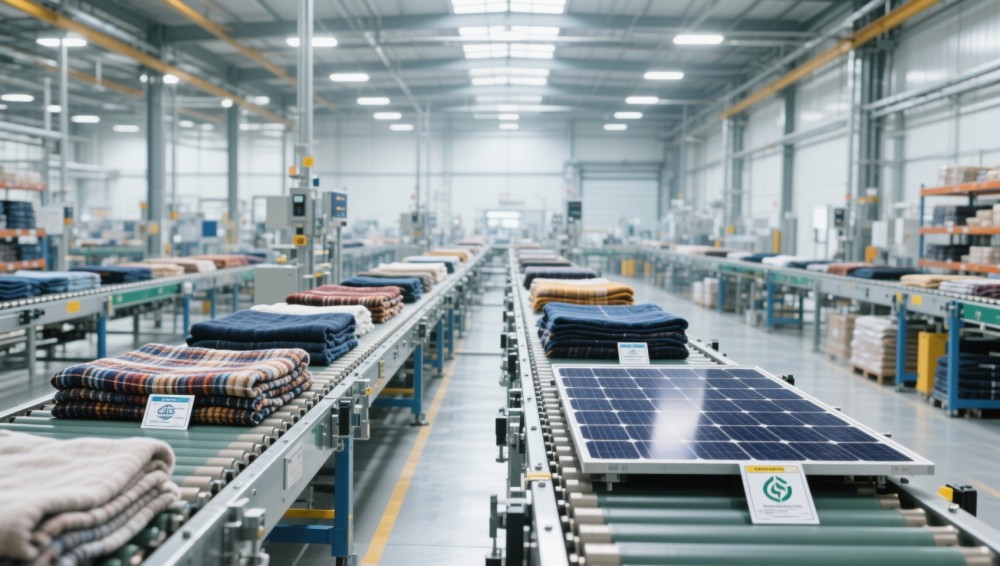
While the investigation does not itself impose a new ban or tariff, it may create the policy basis for future trade actions or stricter enforcement expectations. More importantly, it sends a clear signal to importers and procurement teams that labor compliance is becoming a central part of trade risk management, not just a legal formality.
For exporters, the practical consequences may arrive through commercial channels even before any formal policy action is finalized. U.S. buyers may tighten supplier screening, ask for more origin documentation, request third-party audit reports, and demand stronger traceability for raw materials and upstream production stages. Companies unable to provide consistent documentation may face greater difficulty maintaining buyer confidence.
This development is especially important for businesses operating in complex cross-border supply chains, where raw materials, intermediate goods, and final assembly may involve multiple countries. In such cases, compliance expectations no longer stop at the factory gate. Buyers increasingly want visibility into sub-suppliers, labor standards, material origin, and auditability across the entire chain.
For many exporters, the investigation is a reminder that trade competitiveness is now closely tied to compliance capability. Price, quality, and delivery remain important, but supply chain transparency is becoming equally critical in winning and retaining international business.
As the U.S. continues to strengthen the connection between trade policy and labor enforcement, exporters serving the American market may need to invest more heavily in supplier due diligence, internal compliance systems, traceability records, and audit preparedness. In that sense, this Section 301 investigation is not only a policy event, but also a warning sign for global supply chains that compliance standards are rising fast.
Related News
- 00
0000-00
U.S. Opens Section 301 Investigation Into Forced Labor Import Controls Across 60 Economies - 00
0000-00
U.S. Launches Section 301 Probe Into Structural Overcapacity Across 16 Economies - 00
0000-00
UK Imposes Final Anti-Dumping Duties on Chinese Tin Mill Products - 00
0000-00
U.S. Issues Antidumping and Countervailing Duty Enforcement Notice on Chinese Corrugated Boxes - 00
0000-00
How economic indicators in Q1 2026 are reshaping machinery parts procurement strategies for manufacturers
Market Research Desk
Weekly Insights
Stay ahead with our curated technology reports delivered every Monday.