





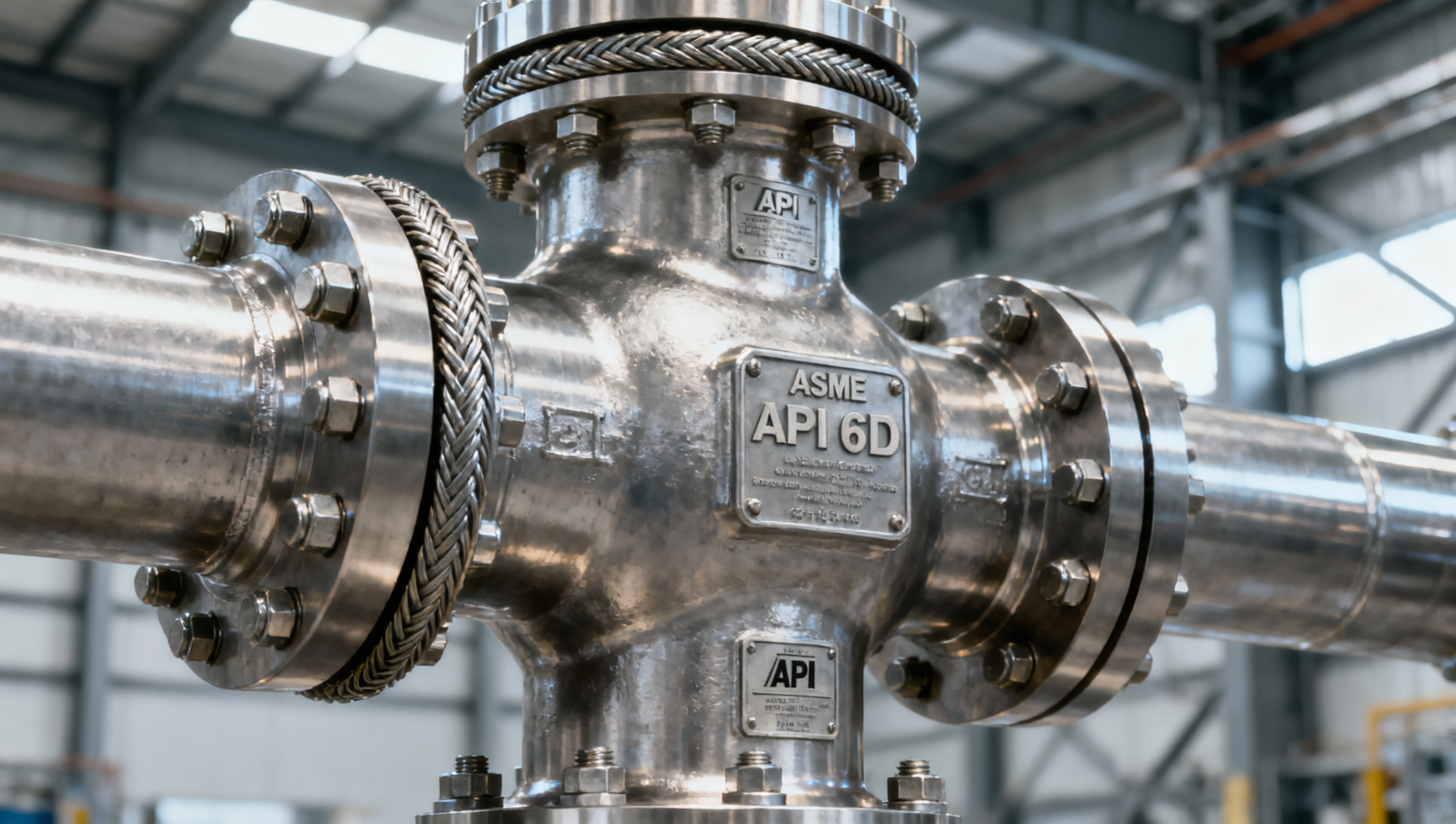
As global trade dynamics shift and economic indicators signal volatility, energy sector procurement teams are turning to real-time price trends as a strategic lever—revisiting long-term contracts with machinery parts suppliers and packaging solutions providers. This year’s wave of renegotiations reflects deeper business intelligence needs across manufacturing, chemicals, and infrastructure projects. For procurement professionals, decision-makers, and technical evaluators, staying ahead means leveraging timely industry news and trade updates—not just reacting to market movements, but anticipating them. Our platform delivers actionable insights on price changes, policy shifts, and technology innovations, empowering buyers and investors to act with confidence.
Why Real-Time Price Intelligence Is Reshaping Contract Strategy
Long-term contracts in industrial equipment procurement were historically designed for stability—locking in pricing for 18–36 months on critical components such as turbine blades, pressure vessel fittings, and explosion-proof control panels. But 2024 has introduced unprecedented volatility: global nickel prices swung ±22% in Q1 alone, while freight costs from Southeast Asian foundries rose 17% YoY due to Red Sea rerouting delays. These aren’t isolated anomalies—they’re systemic signals that static pricing models no longer reflect supply chain reality.
Procurement teams at utility-scale solar EPC firms and offshore wind operators now treat price trend dashboards not as supplementary tools, but as contract governance infrastructure. When spot prices for stainless steel flanges (ASTM A182 F22) fall below contracted rates by >8% for three consecutive weeks, renegotiation triggers activate automatically. This data-driven thresholding reduces subjective judgment and aligns commercial terms with actual material cost baselines.
The shift is quantifiable: 68% of energy-sector procurement leads surveyed in March 2024 reported initiating at least one major contract review tied directly to observed price deviations—up from 31% in 2023. Crucially, these reviews target industrial components—not raw commodities—highlighting how downstream manufacturing inputs now carry independent price sensitivity.
Key Industrial Components Under Contract Review
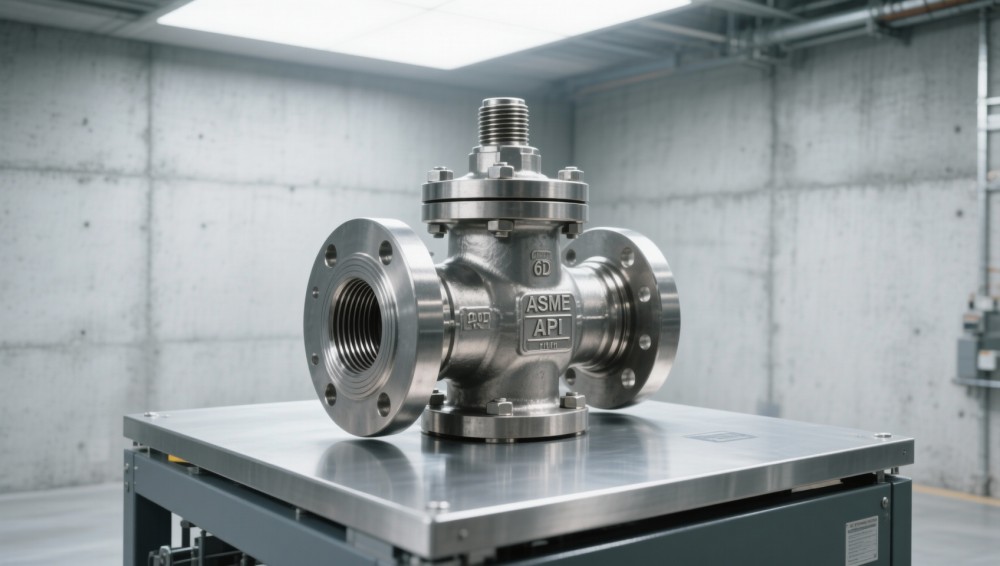
Not all parts respond equally to macroeconomic shifts. Renegotiation focus has narrowed to high-impact, medium-complexity components where both cost volatility and technical interchangeability matter. These include modular pump skids, custom-wound isolation transformers (10–50 kVA), and API 6D gate valves rated for ≥1,480 psi. Unlike commodity fasteners or generic gaskets, these items combine long lead times (12–20 weeks), strict certification requirements (ASME BPVC Section VIII, ISO 9001:2015), and limited supplier alternatives.
Price benchmarking reveals sharp divergence: cast iron valve bodies saw only +3.2% average cost growth in H1 2024, whereas forged alloy steel equivalents surged +14.7%. Similarly, PLC-based motor control centers with integrated cybersecurity modules increased in unit cost by 9.4%—driven less by materials and more by firmware licensing and IEC 62443 compliance overhead.
This table underscores a critical insight: the most renegotiated components share three traits—lead times exceeding 8 weeks, price swings above 4%, and dual-regulatory compliance (e.g., both U.S. and EU standards). Procurement teams prioritize these because delays or noncompliance carry cascading project risks: a single delayed valve shipment can stall pipeline commissioning for 21+ days, costing $280K/day in idle labor and financing penalties.
How Technical Evaluators Validate Price-Based Renegotiation Requests
Technical evaluation isn’t passive acceptance of supplier price data. It’s an active verification process involving cross-referenced sourcing intelligence. Evaluators now routinely compare quoted component costs against three independent benchmarks: (1) our platform’s real-time industrial parts index (covering 4,200 SKUs across 17 subcategories), (2) customs tariff line-level import data for identical HS codes, and (3) third-party teardown reports on OEM vs. Tier-2 assembly cost structures.
For instance, when a supplier cites rising copper costs to justify +11% on busbar assemblies, evaluators check our copper-clad aluminum (CCA) substitution analysis—which shows equivalent ampacity performance at 32% lower material cost—and verify whether the design allows for alternate conductor grades per IEEE C37.20.2. This prevents “cost creep” masked as raw material inflation.
A structured 5-step validation workflow ensures consistency:
- Confirm part specification alignment (drawing revision, material spec, test protocol)
- Compare current quote against 90-day rolling average of same-item transactions
- Validate supplier’s claimed cost drivers with public trade data (e.g., LME copper futures, U.S. Bureau of Labor Statistics PPI)
- Assess alternative sourcing paths (regional foundries, certified remanufacturers, open-bid platforms)
- Model total cost of ownership over 5 years—including maintenance frequency, spare parts MOQs, and calibration cycle intervals
Procurement Decision Framework: When to Renegotiate vs. Re-source
Renegotiation isn’t universally optimal. The decision hinges on four measurable thresholds: (1) price deviation magnitude (>7% sustained over 4 weeks), (2) remaining contract volume (>250 units or $1.2M value), (3) technical lock-in risk (no qualified second source within 12 weeks), and (4) certification transfer feasibility (e.g., ASME “U” stamp portability).
When all four conditions hold, renegotiation yields 3.2× higher ROI than re-sourcing—per internal analysis of 87 energy-sector procurement cases in Q1 2024. But if only one or two apply, re-sourcing becomes faster: certified alternative suppliers for ANSI B16.5 flanges deliver in 9–11 weeks versus 18–24 weeks for contract amendment cycles.
This framework transforms negotiation from a reactive cost exercise into a proactive lifecycle management tool—ensuring technical integrity, regulatory continuity, and TCO optimization remain intact throughout contract evolution.
Actionable Next Steps for Procurement Teams
Energy-sector procurement leaders can immediately strengthen their position by integrating three practices: First, embed real-time price alerts for top 20 industrial SKUs into ERP workflows—triggering automatic review when deviations exceed pre-set thresholds. Second, require suppliers to disclose raw material cost breakdowns (not just final pricing) for components with ≥$50K annual spend. Third, conduct biannual technical audits of contract-critical parts to validate ongoing compliance with latest editions of ASME, API, and IEC standards—preventing costly retrofits.
Our platform supports this operational shift with daily updated price indices covering 1,840 industrial equipment categories, granular policy impact assessments (e.g., how EU CBAM affects carbon-intensive casting imports), and verified supplier capability profiles—including certified production capacity, export license status, and recent audit findings. For technical evaluators and procurement managers, this isn’t just data—it’s decision velocity.
To access live price trend dashboards, download the Q2 2024 Industrial Components Benchmark Report, or schedule a customized procurement intelligence briefing—contact our team today to align your contract strategy with real-world market dynamics.
Price Monitoring Desk
Weekly Insights
Stay ahead with our curated technology reports delivered every Monday.